










Arts And Culture, In All Their Forms, Are As Important To A Community As Its Sidewalks
In this month’s column Paul Adler is joined by Dorothy Atzl, Executive Director of the Arts Council of Rockland.
By Paul Adler, Esq.
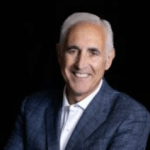 For nearly 50 years, I have walked our region’s main streets, toured its industrial parks, and sat across closing tables for properties from Nyack to Suffern. I have learned to read a building the way a lender does: square footage, parking ratios, cap rates, zoning. But the longer I do this work, the more convinced I become that the most important measure of a place is not on the rent roll. It is how the place makes you feel.
Somewhere along the way, we let the color drain out. Look at what gets built today: the strip center, the medical office building, the self-storage facility, even the new apartment complex. Beige has become the default, and gray is the new beige. Efficient, yes. Inoffensive, certainly. Memorable, rarely. We have engineered delight out of the built environment one value-engineering meeting at a time.
It does not have to be this way. Beauty does not require a museum or a marble lobby. It can live in the places we least expect to find it. A street sign post wrapped in a local artist’s design. A public restroom with a mural that makes a child stop and point. A “Welcome to” sign at the village line that tells you something about who lives there and what they care about. A line of poetry set into a sidewalk, etched above a bus shelter, or painted across a blank loading-dock wall. Utility boxes, parking garage stairwells, construction fencing: every one of them is a canvas we are currently wasting.
I will say something that may surprise readers who know me as a real estate broker. Arts and culture, in all their forms, are as important to a community as its sidewalks. Sidewalks move us from place to place. Art gives us a reason to linger once we arrive. Both are infrastructure. Both are about quality of life.
And yes, the business case is real. Thoughtful facades, public art, and well-designed public spaces draw foot traffic, lengthen the time people spend downtown, support local shops and restaurants, help employers recruit talent, and ultimately strengthen property values and the tax base. Owners and developers should see design details and art not as an add-on cost, but as part of the asset. At Rand Commercial, our motto is “Building Better Communities,” and I have come to believe that building better communities takes more than building better buildings. It takes places people are proud to call home.
Our region has extraordinary raw material: the Hudson, the Palisades, historic villages, a deep bench of artists, performers, and writers, and a proud tradition of civic engagement. What we lack is not talent. It is intention, and a framework that brings property owners, municipalities, and the creative community to the same table at the start of a project, not as an afterthought once the concrete is poured.
That is precisely the conversation I have been having with my co-author, Dorothy Atzl, Executive Director of the Arts Council of Rockland. When we sat down together, we did not propose a program. We proposed a moonshot. I will let Dorothy tell you what it is.
By Dorothy Atzl
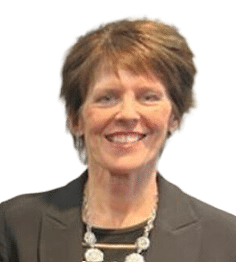 Our moonshot is to make arts and culture part of how Rockland thinks about and plans for its future, not as an afterthought, but as essential infrastructure alongside libraries, schools and open spaces that help create strong communities.
Rockland County’s recently adopted Comprehensive Plan gives us an important opportunity to do just that. The County should be congratulated for undertaking an extensive planning process and, especially, for recognizing the important role arts and culture play in Rockland’s future. The final plan includes a recommendation to develop a Comprehensive Arts and Culture Plan, a significant step forward and the result of advocacy efforts by the Arts Council of Rockland, Rockland Arts Coalition, and our arts and cultural community.
What would an Arts and Culture Plan actually do for Rockland? It would give us a clearer picture of the artists, organizations, cultural spaces and creative resources already here, identify gaps and underserved communities, and measure the economic impact of the arts. It could help guide tourism, funding and investment, strengthen our cultural sector, and expand access to the arts. A comprehensive arts and culture plan will bring stakeholders together, build community pride, and help make our county a place where people want to live, work, visit and invest.
A plan could also help bring art and creativity into the places we experience every day, from downtowns and parks to public buildings, businesses and new developments. It could breathe new life into underused spaces and bring artists to the table when communities are planning the places where we live, work and gather.
The Comprehensive Plan gives us an opening to build on the County’s commitment to arts and culture. We respectfully encourage Rockland County to prioritize funding for a Comprehensive Arts and Culture Plan, turning this recommendation into action and bringing government, business, the creative community and residents together to help shape Rockland’s future.
To be part of this work and help strengthen arts and culture throughout Rockland, connect with the Arts Council of Rockland at artscouncilofrockland.org.
Paul Adler, Esq., SIOR, is Chief Strategy Officer of Rand Commercial. Dorothy Atzl is Executive Director of the Arts Council of Rockland.